

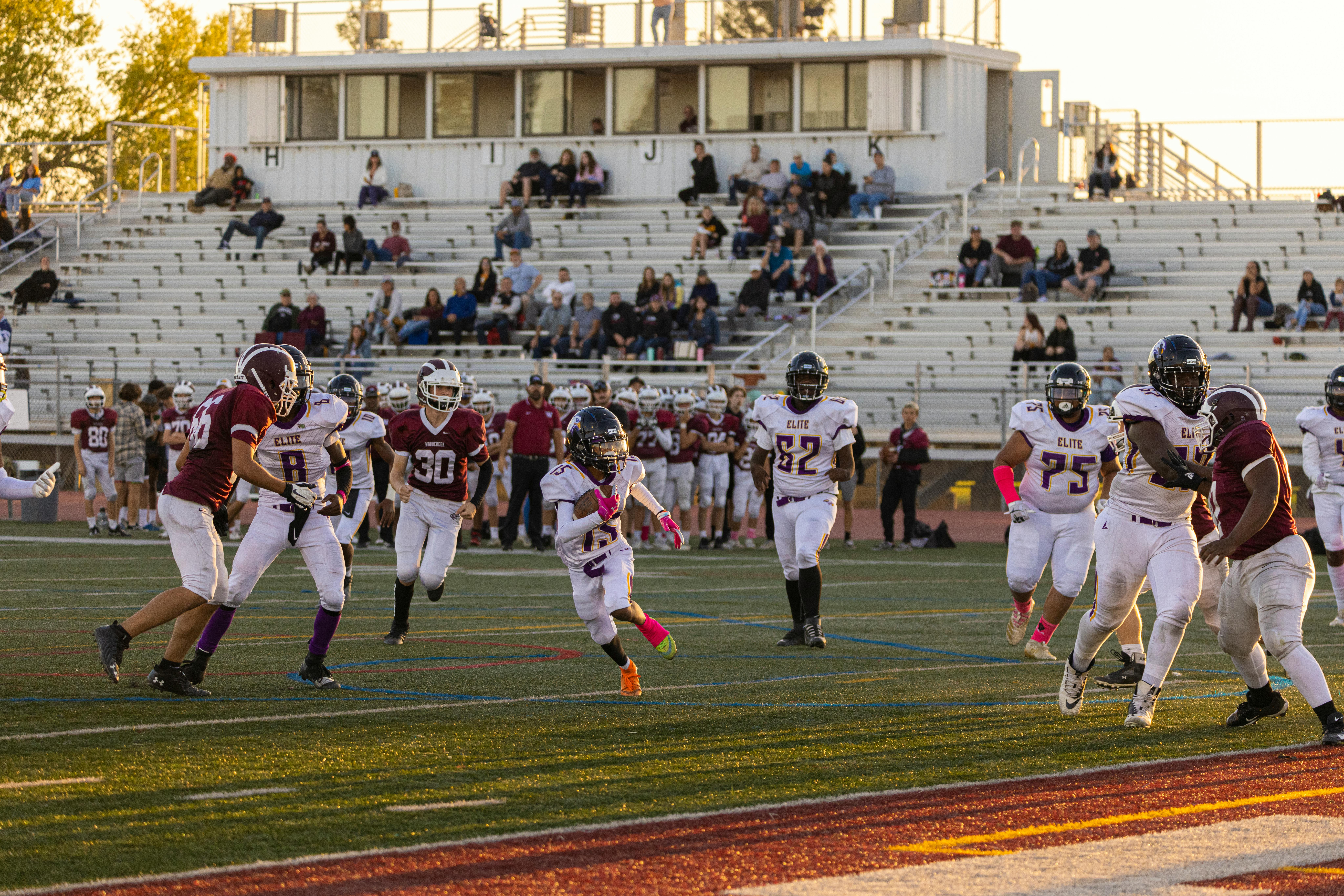
The quest for perfection isn’t limited to one arena; it’s a force that drives both legendary musicians and world-class athletes.
Think about the energy of a sold-out stadium, whether it’s for a rock concert or a playoff final. Behind every electric moment lies careful planning, relentless practice, and an obsession with getting every detail right.
This article uncovers the unexpected connections between how iconic bands craft unforgettable setlists and how sports professionals chase flawless records using advanced analytics.
We’ll look at how stats inspire ambition, influence critical decisions, and keep fans glued to their seats. The intersection of passion and precision is where real magic—and history—happens.
Where data meets passion: the rise of verified performance
Whether you’re standing in a crowd waiting for your favorite band’s first note or sitting courtside hoping for a buzzer-beater, there’s one thing everyone craves—authenticity backed by results.
Fans no longer settle for empty promises. In sports, the days of trusting gut feeling alone are fading fast. Now, bettors demand hard proof: detailed win-loss records, real profit numbers, and transparent stats before making a move.
This is where platforms like StakeHunters.com step in. By offering verified tipster performance and full access to historic data, they make sure every claim is rooted in real results, not hype. You can scroll through detailed breakdowns, compare profit margins, and check yield percentages—all before placing a single bet.
It’s striking how closely this mirrors the music world. Diehard fans analyze setlists from past tours, debate encore patterns, and track how bands adapt from night to night. The shared hunger for proof runs deep—whether it’s a rare live debut or a tipster with an impressive streak.
The fusion of passion and analytics has changed the way we engage with our favorite pastimes. For both concert-goers and sports bettors, smarter decisions come from transparency and data, not wishful thinking. The end result? A more informed, engaged community that knows exactly what—and who—they’re cheering for.
Setlist science: how rock legends engineer the perfect show
Behind every unforgettable concert, there’s a setlist crafted with both precision and creativity.
Rock and metal icons don’t just pick songs at random. They study past performances, crowd reactions, and even the quirks of each venue’s acoustics to keep fans guessing and coming back for more.
What I’ve seen backstage is part strategy session, part artistic gut-check. Bands pore over fan feedback, review recordings, and debate which songs will hit hardest in a particular city or festival slot.
This blend of art and analytics is changing the game. With data at their fingertips—streaming stats, social trends, live audience response—musicians are finding new ways to deliver legendary shows night after night.
Balancing classics and deep cuts
The classic dilemma for any headliner is choosing between well-loved anthems and those deep album tracks that only die-hard fans crave.
Bands have started using fan polls before tours kick off. They check which tracks are trending on streaming platforms like Spotify or Apple Music, then weigh that against real-time chatter from social media groups and forums.
I’ve watched setlist debates go late into the night as musicians balance those can’t-miss hits with personal favorites or rare throwbacks. The right mix can ignite a crowd, surprising regulars without alienating newcomers.
It’s part democracy, part showmanship: giving the people what they want while still keeping some tricks up their sleeves.
Reading the room: real-time adjustments
No two crowds are ever quite the same. The best performers know when to shift gears mid-show—dropping in a high-energy track if the floor needs a jolt or slowing things down when the moment calls for it.
Some acts now use wearable tech to monitor audience sound levels or movement in real time. Others lean on years of intuition, catching subtle changes in crowd energy or spotting signs that it’s time to pivot.
I’ve seen legendary frontmen change course after just a glance at their bandmates or a single roar from the crowd. These split-second decisions often become the most talked-about moments of the night—and keep every concert feeling unique.
Encore analytics: measuring the impact
The encore isn’t just a curtain call anymore—it’s an opportunity to test new material or double down on fan favorites.
Bands keep track of which encore choices get the loudest cheers or spark viral moments online. Post-show surveys and instant social feedback help them see what resonated long after fans leave the venue.
Big Data in Touring highlights how major touring acts now lean on analytics to refine encores—mining streaming data and live reactions to build setlists that maximize engagement every night. This numbers-driven approach helps turn memorable concerts into legendary tours that fans talk about for years.
Stats, streaks, and the pursuit of sporting perfection
The chase for a perfect game isn’t just a headline—it’s an obsession that fuels athletes, coaches, and fans alike. Behind every legendary streak or flawless performance lies a mountain of data and relentless analysis.
From baseball diamonds to football pitches, advanced analytics now shape nearly every move on the field. Coaches and players scrutinize stats to push boundaries, fix slumps, and write their names in history books.
Fans aren’t just watching—they’re tracking every stat in real time, living each high and low as records fall or near-misses spark debate.
Breaking down the numbers: What makes a perfect game?
Perfection looks different depending on your sport, but numbers always tell the story.
A baseball no-hitter is a statistical unicorn: no hits allowed through nine innings, every pitch analyzed for precision.
In football, a “clean sheet” signals defensive excellence—a full match with zero goals conceded against top-tier opponents.
Tennis players obsess over unforced errors and first-serve percentages, chasing that rare match without a single slip-up.
These benchmarks become more than stats; they’re milestones that define eras and careers. They keep both pros and fans dreaming about what’s possible whenever someone takes the field or court.
Slump-busting: Using data to turn the tide
No team or athlete stays hot forever. When losses pile up or star players go cold, it’s time to get analytical.
I’ve seen coaches dig into shot charts or passing maps looking for tiny clues—where are turnovers happening? Who’s missing easy chances?
Players study video breakdowns to find patterns in their own mistakes. Was it poor shot selection? A mechanical hitch?
This data-driven approach isn’t just about stopping bad runs—it builds confidence by providing a path forward. Even the most superstitious locker rooms now blend intuition with hard evidence when trying to snap out of a funk.
Fan engagement: The drama of the streak
The pursuit of perfection turns ordinary games into high-stakes thrillers for fans everywhere.
Broadcasters flash live graphics as basketball shooters chase consecutive made shots or pitchers approach historic outs. Social media explodes with each milestone crossed—or heartbreakingly missed by inches.
A 2023 report by Deloitte highlights record-breaking fan engagement during major sporting streaks, illustrating how digital platforms and real-time stats keep audiences deeply involved as they follow athletes and teams chasing historic milestones. Olympics Fan Engagement
This drama goes beyond old-school box scores. Today’s fans want context—what does this record mean? Who came close before? Analytics fuel those conversations long after the final whistle blows.
When music and sports collide: lessons in chasing perfection
Step into any packed stadium, and you’ll notice it doesn’t matter if there’s a guitar solo or a penalty kick—both worlds thrive on the pursuit of peak performance.
Musicians and athletes have more in common than most people realize. The drive for excellence, the embrace of pressure, and the constant search for that elusive flawless moment fuel both industries.
Over the years, bands have borrowed training techniques from sports psychologists, while coaches study how rock stars command attention. Setlists are rehearsed like playbooks. Both groups lean on rituals and data to sharpen their edge, and both are keenly aware of how crowd energy can tilt the odds.
When music and sports intersect, whether at a halftime show or through shared mental strategies, they reveal how passion and preparation unite us in our chase for perfection.
Pre-show rituals and pre-game routines
The moments before taking the stage or stepping onto the field are loaded with anticipation. Rituals—whether methodical warm-ups or lucky charms—help performers focus their minds.
Athletes might lace up in a certain order or recite mantras; musicians could tune their guitars precisely three times or huddle together backstage. Some of this is science—proven routines reduce anxiety and improve consistency. Other habits veer into superstition, like wearing a “lucky” shirt because it worked once during a big win or memorable gig.
What unites both camps is this: rituals provide a sense of control when so much rides on split-second decisions and emotional highs. It’s part preparation, part magic—a blend that keeps legends coming back for more.
Crowd energy: the ultimate x-factor
No matter how well rehearsed or prepared you are, nothing compares to the electric surge from a live audience. For both musicians and athletes, crowd energy can push an average night into legendary territory.
The roar after an encore rivals the deafening cheer following a last-minute goal. Performers feed off fans’ adrenaline, and smart teams even design moments to maximize those surges for a home-field boost.
A 2024 psychological study found that live concert crowds amplify musicians’ focus and emotional engagement, creating unforgettable performances. The same dynamic powers dramatic comebacks on game day. In both worlds, it’s clear—the audience isn’t just watching; they’re changing the game as it unfolds.
Conclusion: The enduring allure of the perfect moment
There’s something universal about chasing that flawless moment, whether it’s a musician nailing every note or an athlete hitting the winning shot as time expires.
Fans live for these split seconds of perfection, and they keep us coming back, hoping to witness the next one firsthand.
What I’ve seen is that while stats and technology add new layers to the journey, they don’t steal the magic. If anything, they help us recognize and savor greatness when it happens.
The real thrill isn’t just in tallying up numbers, but in sharing those unforgettable experiences that connect all of us—on stage, on the field, and in the crowd.