



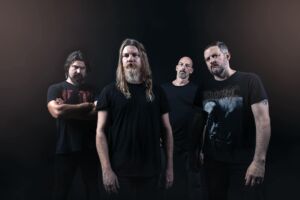




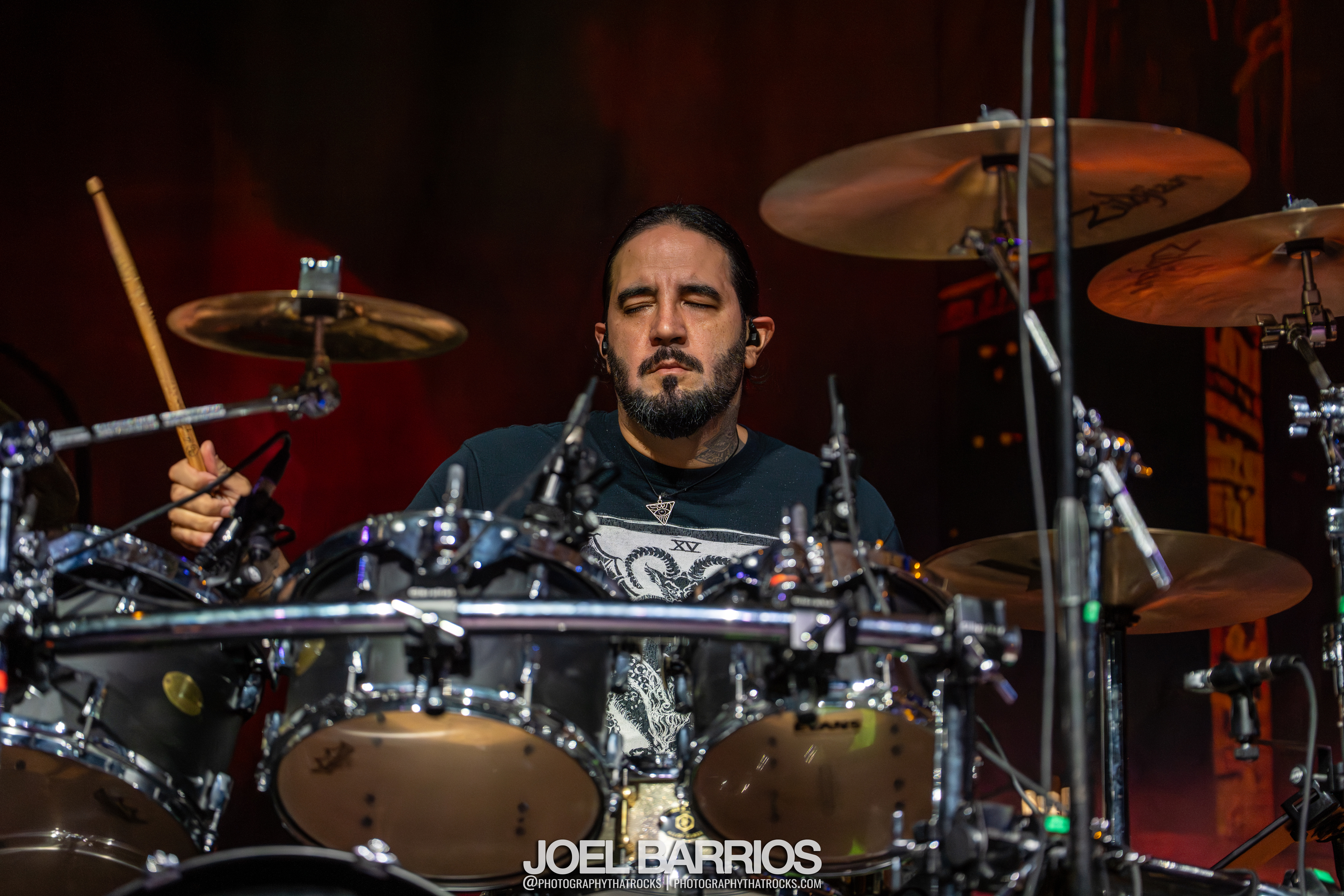
Soen records usually land with a familiar problem for the band and for the fans. People hear growth, then argue about which era they want more of. Martin López is fully aware of that push and pull, and he talks about Reliance like someone who has already watched those reactions form in real time.
“Yesterday we had some kind of event because we also have a short documentary coming out,” he tells Rodrigo Altaf during their recent chat about the album’s arrival, “and I got the opportunity to reach out and see what people actually thought about the album. It’s good, man.” Then he puts the split in plain terms: “Because of the progression or the evolution we have made, there are, of course, people who want us to go back, and there are people who only want to listen to the new stuff. It’s always interesting to hear what people feel about the album.”
When the conversation turns to what Reliance is actually about, he meets a broad interpretation with a grounded answer. “We never go for a theme,” Martin says, “but we always end up talking about the things that we feel matter.” He ties that to the world outside the rehearsal room, too. “The environment of the planet right now, it’s giving us more lyrics than we have songs.”
That same “feel it first” approach shows up in the lineup talk, especially with bassist Stefan Stenberg back in the fold. Martin describes the return in a way that sounds more like a band chemistry fix than a reunion headline. “Stefan is, even when he left the band, he’s always been very close to us as a friend,” he says, and he frames his playing as part of what people recognize when Soen hit.
“The sound that he has, the way that he plays is part of the soul and identity somehow.” He credits Slavoj Žižek too, calling him “a fantastic bass player,” then circles back to the intangible part. “With certain musicians, you just have a chemistry that is the magic of music.” For him, you can hear the difference: “I think you can really hear it in this album,” because “the album is just less mechanical. It’s kind of bigger and grooves differently.”

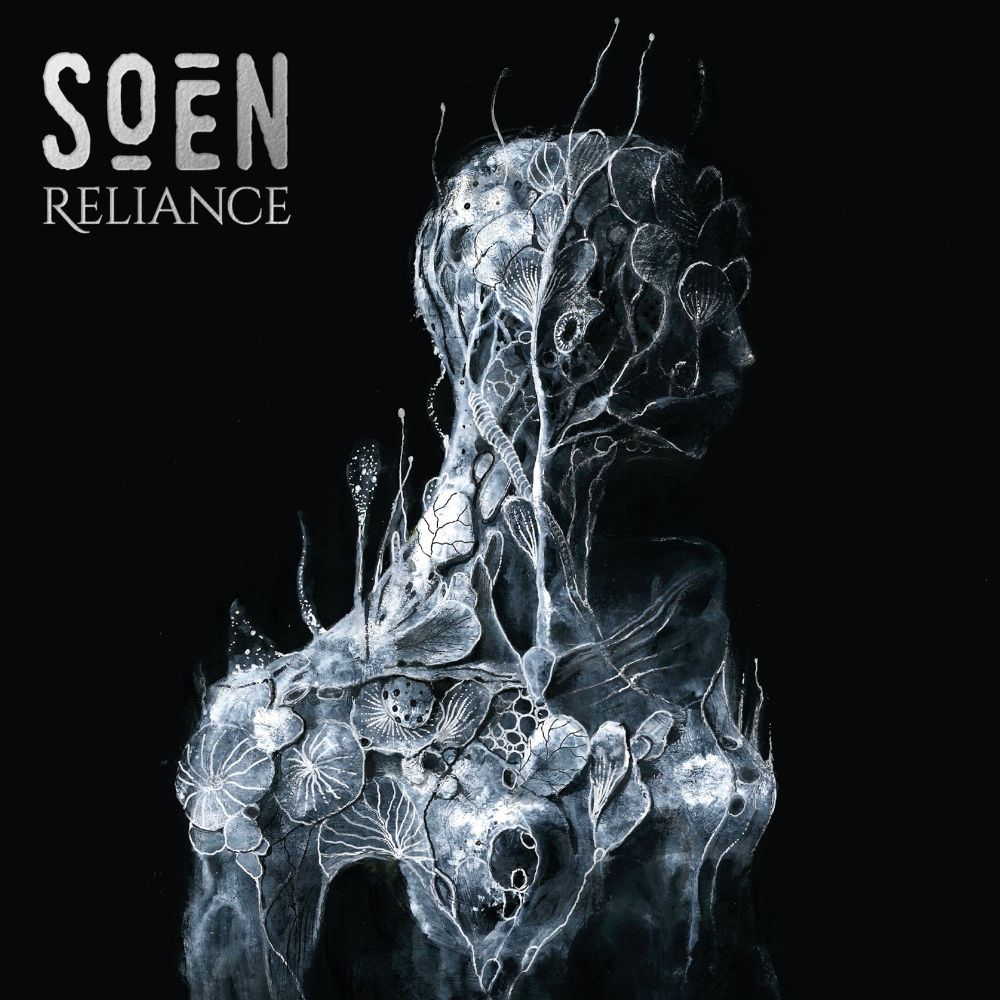
Even their habit of one-word titles comes from the same instinct to let the listener do some work. Martin says it grew out of lyric writing sessions where the band tried to summarize songs too neatly. “We were writing lyrics,” he explains, “and trying to explain in a title what the lyrics were about.” Then the decision landed. “We just thought, look, man, we’re not giving a chance to the actual lyric.” The fix was simple, and it stuck: “Let’s just give it a title and let people dive in there and find themselves what they feel we’re talking about.” He laughs at how permanent it has become. “From then on, we just went for it. And now we can’t change it.”
The most pointed stretch of the interview comes when Martin talks about technology and the song “Primal.” Asked by Rodrigo if he feels trapped by the phone, he answers without hesitation. “Of course.”
He goes straight to the part that hits home. “It’s also the worry that my kids have these phones.” Then he describes how quickly the algorithm can steer young people into something ugly. “I have two boys in that age where they start looking at a football game and then some gym stuff,” he says, “and then suddenly there’s some weird self-proclaimed alpha male telling them how they need to live life to be happy.” He spells out the message he hates seeing slide into their feed. “You shouldn’t be vulnerable, and you’re going to be strong, and you don’t need anyone,” and “when you are strong and have money, all the girls will come running after you.” The part that lands like a punch is how personal it feels. “And it’s like, fuck me. That is in my house. And I can’t stop it.” Then he names the fear without dressing it up. “That’s the technology that I’m scared of, man.”

When the talk moves to “Indifferent,” you can hear Martin shift from societal anxiety to the quieter weight of performance. He describes the studio as a place where a song’s emotion becomes real when the vocal finally goes down for good. “That’s kind of the fun of being in the studio,” he says, “all these different emotions that you go through when you really start putting down the emotions on the songs.” He explains the gap between having a demo and committing fully. “I write the song, and you can say, oh, this part is heavy, and this one is emotional,” then “you really have to step into character to do your 100 percent.”
He remembers the room during the vocal take. “I was there, and the producer Alexander was there, and it was quiet, man.” He repeats it because the mood mattered. “It was quiet, and it was beautiful and extremely sad.” Even after living with the track for years, the moment still hit hard. “When Joel goes for it, it really moves you.” He is already thinking ahead to playing it live, too. “I’m waiting to see how that is going to work live,” because “I think it’s going to be hopefully one too many tears.”

“Mercenary” brings him back to the album’s bigger questions, especially that line in the lyrics about bleeding for belief. Martin says the band played with the discomfort on purpose. “That’s a little bit of what we’re playing with there.” He ties it to upbringing and identity. “How we’ve been raised, with politics or religion,” and how “you can be born into something that you’re supposed to be ready to go all the way for.”
Then he adds the human escape hatch. “Maybe you don’t feel the same and just want an open door to run away in.” He calls the concept “very, very truthful,” and says it “makes you wonder.” When pressed on where the line is, he answers with a question of his own. “How far would you take it?” Then he flips it toward responsibility. “Because we are not extremists, but are you ready to bleed to stop the extremists?”

On the writing side, he connects that intensity to structure. “Velicor” builds and peaks in under five minutes, and he admits that kind of compression brings its own pressure. “You have less time to kind of.. to cook,” he says. “It’s a steeper ramp.” When asked if the punchier, more direct songs were planned, he kept the answer consistent with everything else he has said. “We never have any plans. We just go for writing the best possible song, whatever it costs.”
Near the end, he looks forward and keeps it practical. North America remains difficult for bands like Soen, yet he drops a simple promise. “I gotta say this, it’s not out, but we’re coming back in March, actually.” He lays out the road ahead like a working musician with a packed calendar. “We’re going to the 70 Tons boat,” then “a Scandinavian tour,” then “the tour in the US,” then festivals, and “most definitely” Europe next year, plus South America. He sums up the motivation in one line. “We want to get out there now and play these new, fresh songs, man.”


If someone asks where to start listening to Soen, he avoids the gatekeeping answer. “It depends on the kind of person that you are,” he says, because “there are different vibes on many of our albums.” His starting point stays current: “Start with the new one.” Then he points to another clear entry. “Also, Lotus is a good start. And then go from there.” He even makes it as simple as mood. “Do you like ballads? Then you can just pick your favorites from every album.”
And then he ends the whole conversation in a way that makes the band feel reachable, which fits the tone of his best answers throughout. If you show up early, he says, you can actually meet them. “We’ll be there,” and “let’s have a Fanta or something.”


